

Customer Service
Share your contact information – our engineers respond 24/7.
GENMAX builds polyurethane foam machines for every stage of a PU foam plant: a batch foaming machine to make the block; horizontal, vertical, circular, profile and peeling machines to convert it into sheets and shapes; and shredders plus a steam rebonding machine to turn offcuts into rebonded foam. All nine machines are built in our Nanjing factory and shipped factory-direct with installation guidance and operator training.
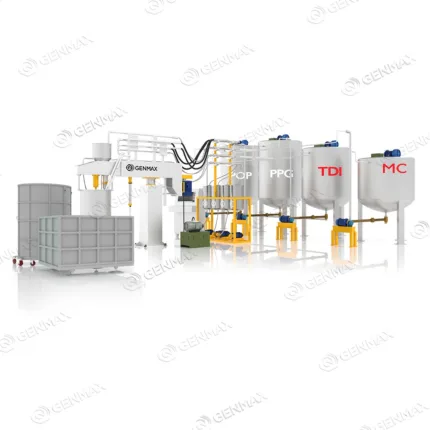
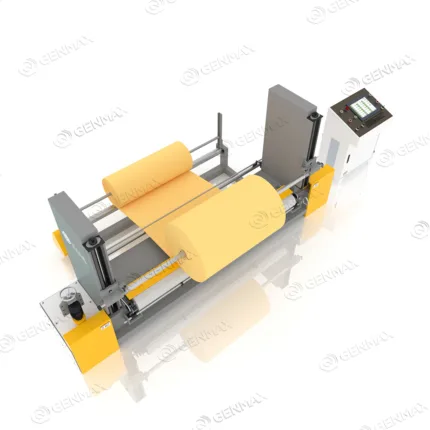
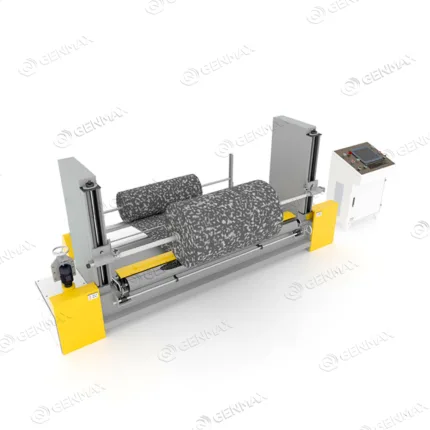
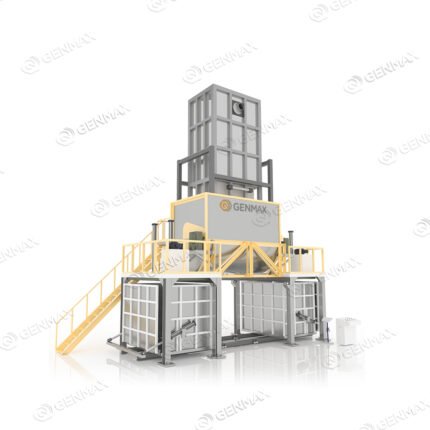
GENMAX RF02 foam rebonding machine recycles PU foam waste into dense rebonded blocks using steam hot-press technology. Mixing tank capacity: 10m³. Output: 10–15 blocks/8H (single mold) to 35–45 blocks/8H (dual mold). Density range: 50–150 kg/m³. Rectangular and cylindrical mold options. Factory-direct — includes installation, training, and 12-month warranty.
Download PDF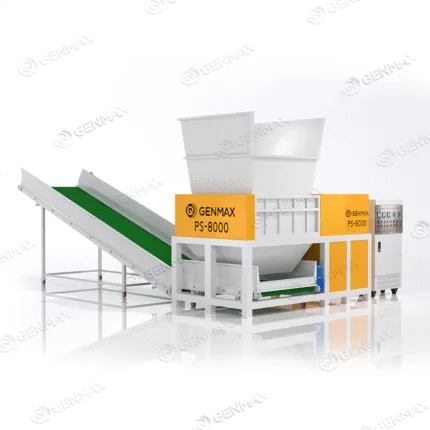
Download PDF
Download PDF
Download PDF
Download PDF
Download PDF
Polyurethane foam production runs in three stages, and the equipment for each stage is what determines your yield.
Foaming. Polyol and isocyanate are metered, mixed and poured, and the reaction produces a block. Metering precision here decides cell structure and density consistency — and density inconsistency is the defect that shows up two stages later, as sheets that fail thickness tolerance.
Conversion. The cured block is trimmed square, sliced into sheets, profiled if the product calls for a comfort pattern, or peeled continuously if the block is cylindrical. This is where most of the plant's labour and most of its waste sits.
Recovery. Every block loses its skin, corners and cutting offcuts during conversion, and in most plants that scrap is a cost line. Shredded and rebonded, it becomes blocks at 50–150 kg/m³ for carpet underlay, sports flooring and seat cushions, a second product line built from material you have already paid for.
Most plants do not buy all three stages at once. Converters start with cutting and buy foam blocks in; they add foaming when block supply or price becomes the constraint, and recycling when the scrap bill becomes visible.
| Stage | Machine (link) | Model | What it does | Key spec |
| Foaming | Batch Foaming Machine | SAF-3T8G | Meters, mixes and pours polyol and isocyanate into uniform PU blocks | Precision metering for consistent density |
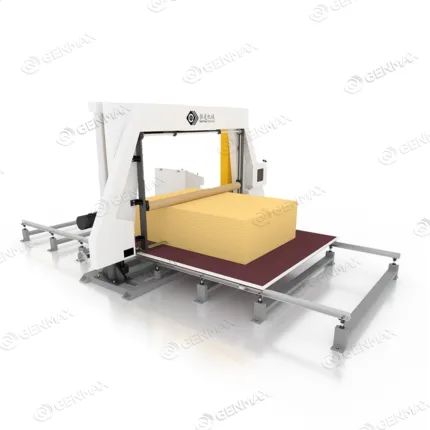
| Conversion | Horizontal Foam Cutting Machine | PQ | Slices blocks into sheets | Pressure roller control for soft foams |
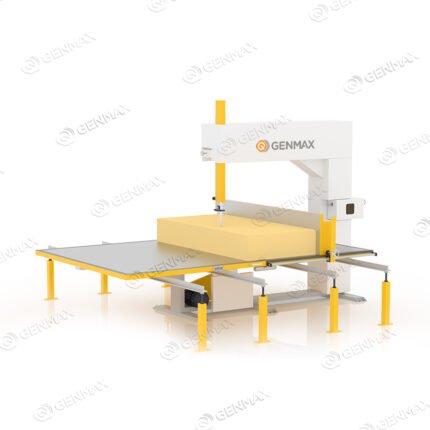
| Conversion | Vertical Foam Cutting Machine | LQ | Trims and squares blocks, cuts sheets | Linear guides, dust extraction |
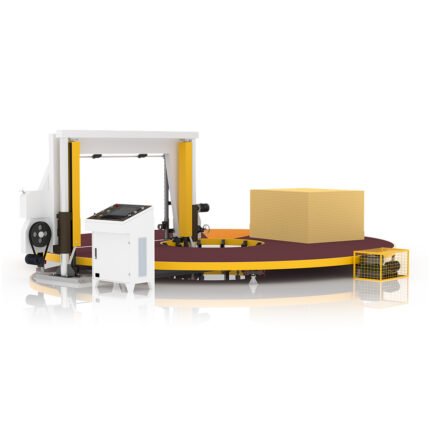
| Conversion | Circular Foam Cutting Machine | YQ | Continuous horizontal slicing on a rotating table | High-volume sheet output |
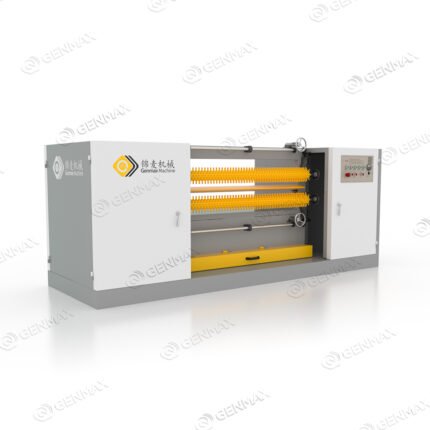
| Conversion | Profile Foam Cutting Machine | PC | Wave, egg crate and 7-zone profiles | Custom rollers available |
| Conversion | Foam Peeling Machine | XQ-2150/150/200 | Peels cylindrical blocks into continuous sheet | Up to 90 m/min |
| Recovery | Foam Scrap Pre-shredding Machine | PS-8000 | Breaks compressed scrap bales without manual pre-breaking | 650–850 kg bale in 6–12 min |
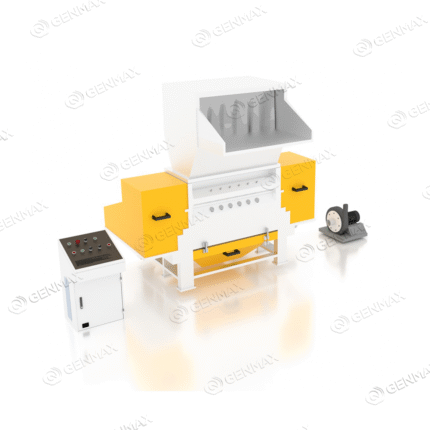
| Recovery | Foam Shredding Machine (Crusher) | PS-3878 | Shreds scrap into granules | 900 kg/hr, 0.5–50 mm |
| Recovery | Foam Rebonding Machine (Steam) | RF02 | Steam-presses granules into rebonded blocks | 50–150 kg/m³; up to 35–45 blocks/8 h |
Full specifications and cutting tolerances: foam cutting machines. Line configurations and payback figures: foam recycling machines.
Tell us where you are — buying blocks in and looking to cut them, cutting already and considering foaming, or losing money on scrap disposal — along with your target output and available floor area. Our engineers return a stage-by-stage equipment plan with layout drawings and a phased investment sequence, so you are not committing to the whole plant in one order.
Yes, and most plants do. Buying blocks from a foam supplier while you build cutting capacity and customer volume carries far less risk than starting with chemical handling. We plan layouts with the foaming bay allocated but empty, so adding it later does not mean moving machines.
The full flexible PU range, plus PE, PVC, memory foam, HR foam and rebonded block. Very soft, high-volume-weight foams need pressure roller control on the horizontal cutter; very firm HR foams load the drive harder. Specify your densities and we configure accordingly.
Polyol and isocyanate storage with temperature control, ventilation, and operator PPE. Isocyanate handling is regulated in most jurisdictions — we supply the machine documentation your local inspector will require, but you will need to confirm your own site permits.
It depends heavily on block size and whether you cure blocks on site. We produce a layout against your actual floor plan, including curing area and block storage, before production starts.
30–90 days depending on configuration. Every machine is assembled and test-run before shipment. Installation guidance, 40 hours of operator training and a 12-month warranty on core components are included.