

Customer Service
Share your contact information – our engineers respond 24/7.
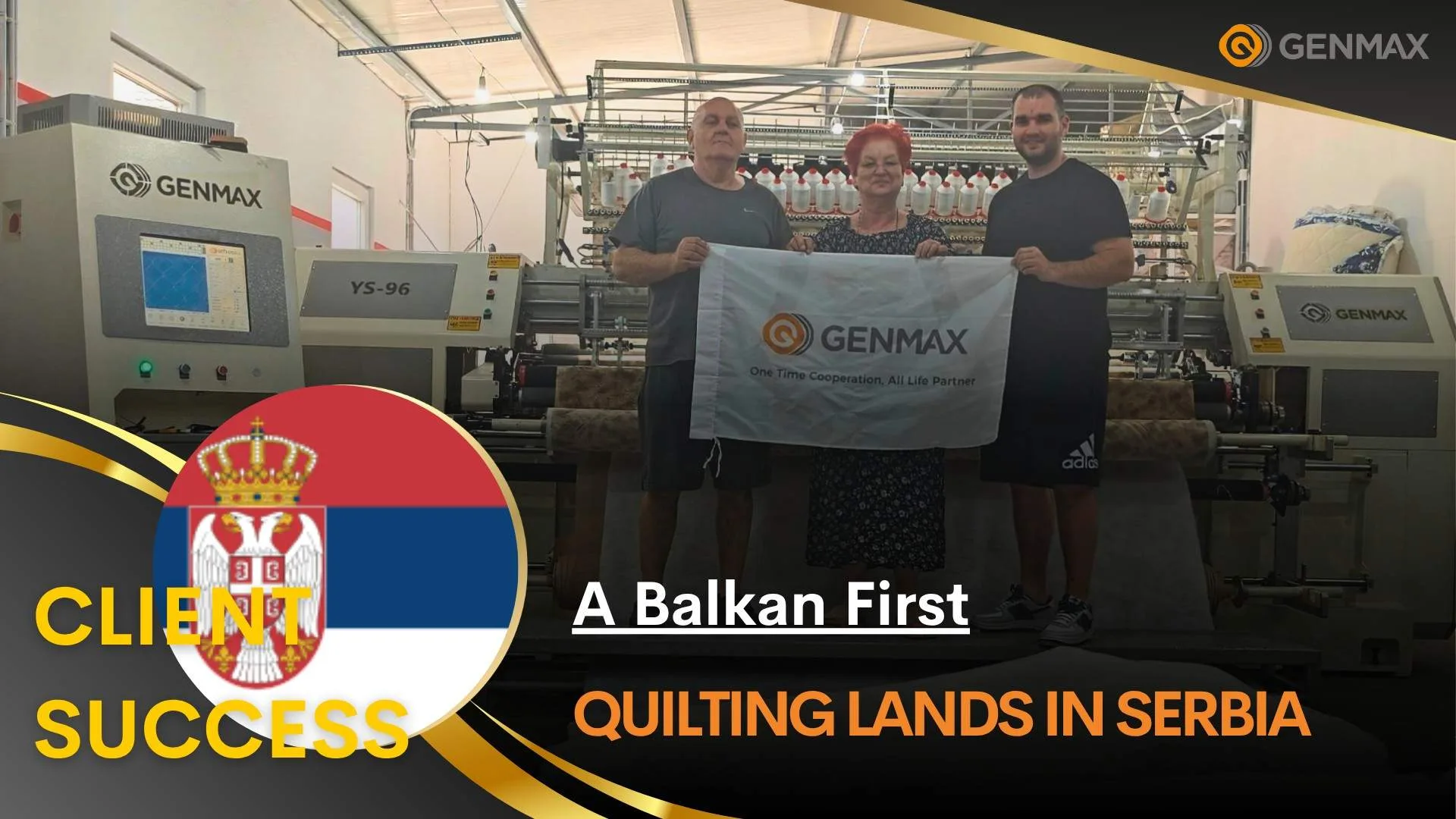
A family textile business in Serbia recently brought a GENMAX YS-96 multi-needle quilting machine onto its floor. It’s a three-generation shop — the kind of place where the person who signs off on the purchase is also the one threading the machine and running it shift after shift. That changes how the buying decision gets made. There’s no procurement department weighing options from afar. The people choosing the machine are the ones who’ll use it every day, so it had to be the right call.
A few months in, the family was happy to stand in front of it for a photo, with the diamond-pattern fabric it had just quilted hanging behind them. For other quilt makers in the region thinking about a similar machine, it’s a useful thing to point to: not a spec sheet, but a working shop in Serbia, running real production day in and day out.
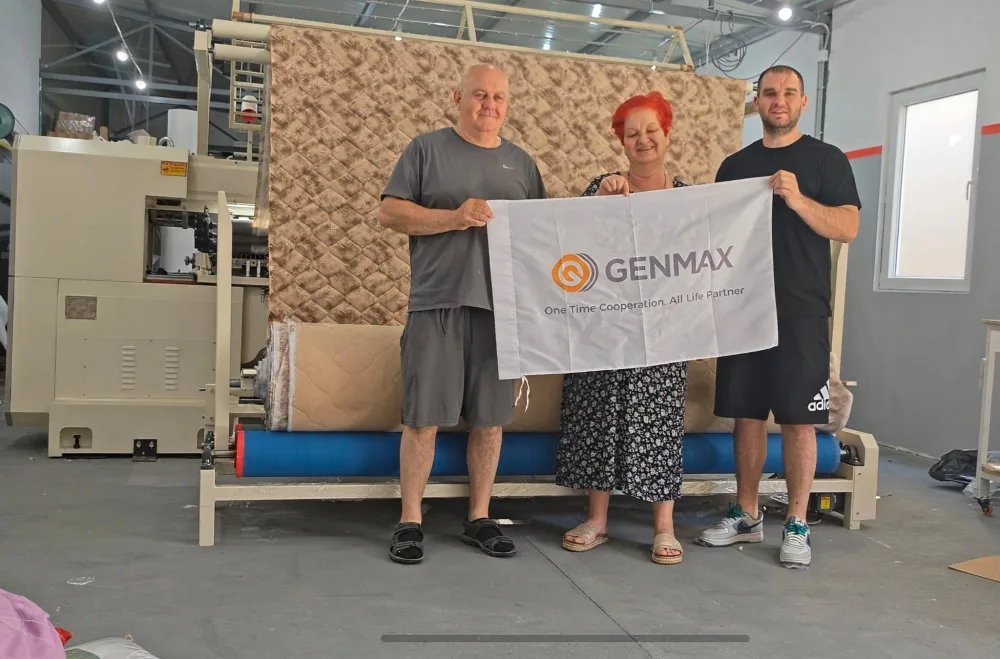
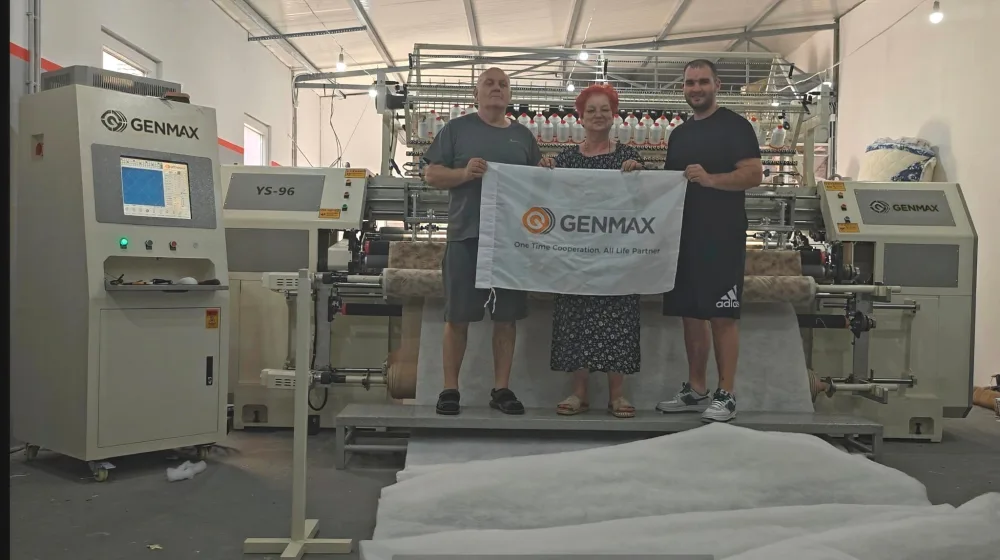
The workshop produces quilts and bedding for its local market. Quilting is the stage where the work either looks finished or it doesn’t. Uneven stitching or a pattern that drifts across the panel is the kind of flaw a customer spots right away. So what the family needed was simple to describe, even if it’s hard to deliver: clean, even patterns across wide panels, day after day — without the machine fussing every time the material changed.
They looked at the multi-needle quilting machines available to a shop their size and chose the YS-96. It’s built for steady, all-day quilting rather than short, occasional runs — which matched how they actually work: long production days, steady output, and little downtime to spare.
Their verdict after the first stretch of production was refreshingly simple. The stitching comes out clean and even. The machine runs through full days without drama. The patterns hold their shape right across the panel. The diamond quilting in the photo is a fair example of what they’re getting off the line — the kind of finish that holds up when a quilt is laid out flat under a buyer’s eye.
What they brought up just as often as the machine itself was the support behind it. GENMAX helped them through installation and the first production runs, and stayed reachable for the questions that always surface once a machine is doing real work rather than sitting in a showroom.
This is GENMAX’s first installation of its kind in Serbia. It isn’t one of a hundred local references — it’s one real shop, running one real machine, with a result worth sharing. For a quilt maker nearby, that’s arguably more useful than a vague claim of regional dominance: a specific, verifiable example operating under conditions close to your own.
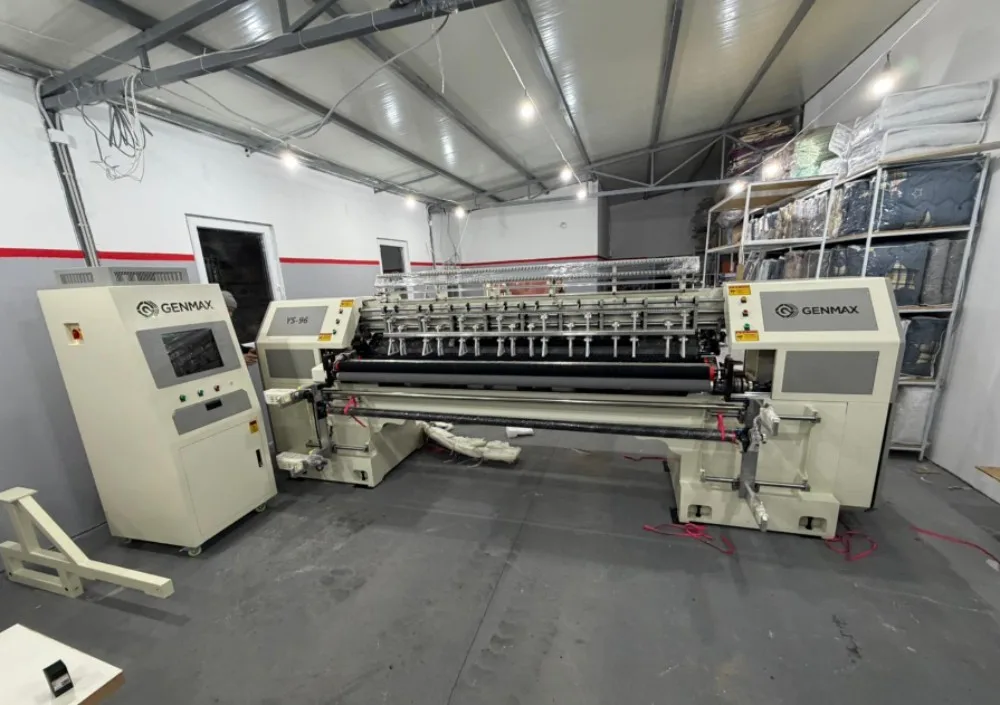
Quilt and bedding producers across Serbia and the wider Balkans tend to want the same things from their equipment. Dependable stitch quality. A machine that runs all day without babysitting. And a supplier who’s still around long after the invoice is paid. Those priorities don’t change much whether you’re in Belgrade, Novi Sad, or across the border in a neighboring market.
If you’re weighing your options, it helps to see how the different methods compare. A lock-stitch shuttle quilter like the YS-96 gives a very different finish from, say, an ultrasonic quilting setup — and the right choice depends on the fabrics and products you run.
What this Serbian workshop offers is a starting point: a real machine, a real result, in a market close to your own. If you produce quilts or bedding anywhere in the Balkans and you’re thinking about your next quilting machine, this is a case worth knowing about. The GENMAX team is glad to talk it through — and, where it helps, to arrange for you to see the machine at work for yourself.