

Customer Service
Share your contact information – our engineers respond 24/7.

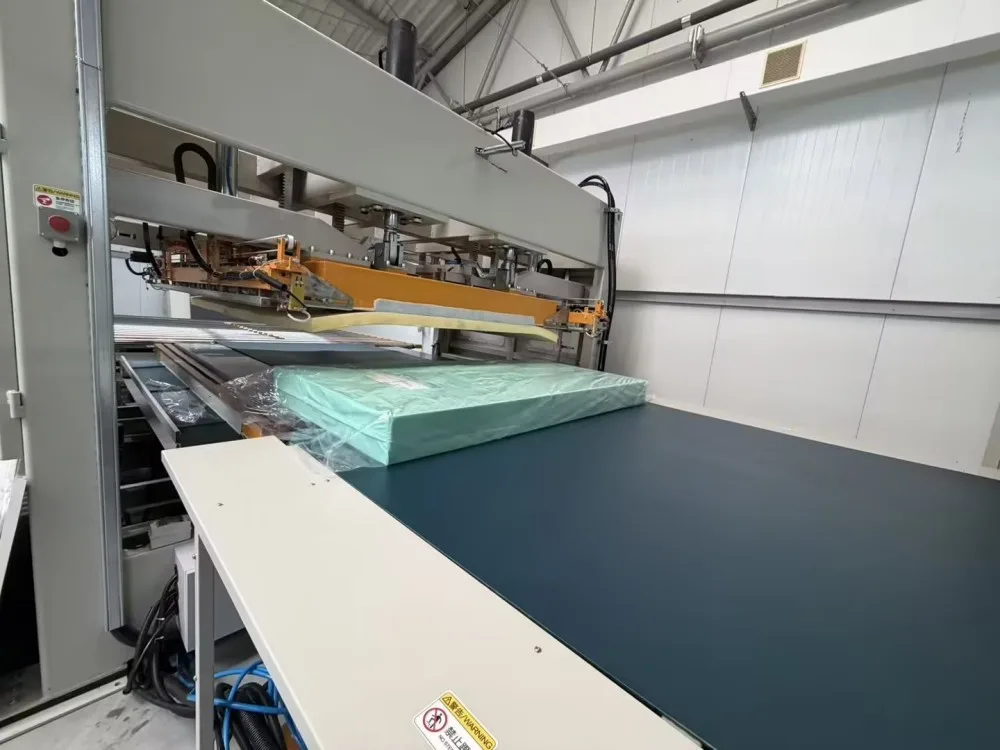
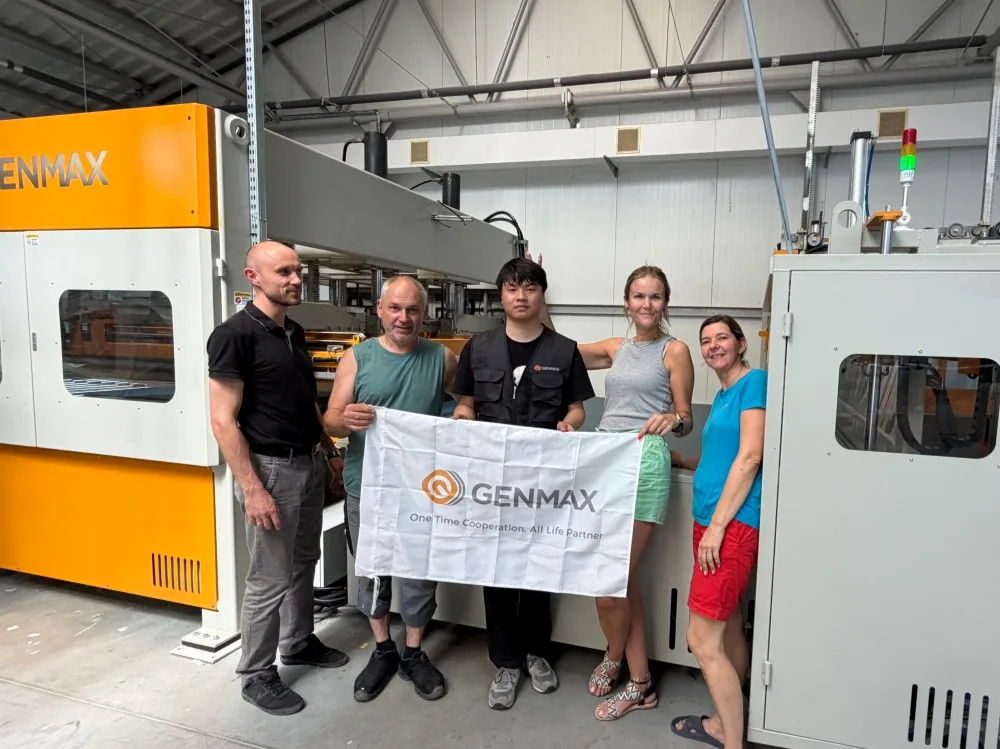
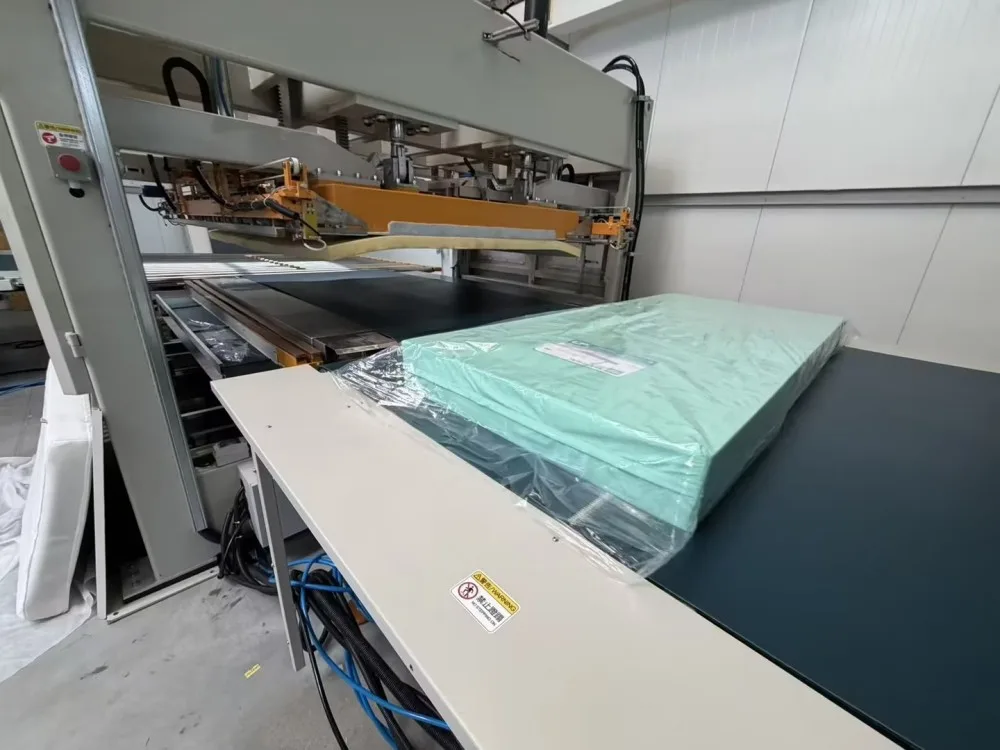
Our customer in Poland has been running our Full Automatic Mattress Packing Machine for months now. The machine supplied for this project is the GENMAX AMC-620 Automatic Mattress Wrap Compress and Roll Pack Line, designed to integrate key mattress packaging operations into one production line.
Mattress packaging is an important stage of the manufacturing process. After production, mattresses need to be prepared for storage, handling and transportation. For manufacturers looking to improve their packaging workflow, choosing equipment that matches their mattress specifications and production requirements is an important step.
The AMC-620 is now installed at our customer’s factory in Poland, where it has been in use for several months. In this article, we take a closer look at the project, the machine’s main functions and the factors mattress manufacturers should consider when planning an automatic packaging line.
The AMC-620 supplied to our Polish customer is an Automatic Mattress Wrap Compress and Roll Pack Line. It combines several packaging operations in an integrated system, helping manufacturers organize the process from mattress wrapping to compression and roll packing.
For mattress factories, the packaging stage involves more than simply enclosing a finished product. The equipment must accommodate the mattress construction, dimensions and intended package format while fitting into the factory’s existing production workflow.
An automatic mattress packing line brings these requirements together in a coordinated process. The configuration can be evaluated according to the manufacturer’s product range, packaging preferences and production targets.
Our customer in Poland has been using the AMC-620 for several months. The machine is part of the customer’s factory operations, and the project reflects our ongoing work supplying mattress manufacturing equipment to customers in different markets.
The AMC-620 is designed to combine three essential functions in mattress packaging: wrapping, compression and roll packing.
Mattress wrapping
Wrapping protects the mattress during subsequent handling, storage and transportation. The packaging material and wrapping method need to suit the mattress dimensions and the required final package. A properly planned wrapping process also helps keep the packaging workflow organized before the mattress moves to the next stage.
Mattress compression
Compression reduces the mattress’s volume to facilitate handling and packaging. The appropriate compression settings depend on the mattress construction and the requirements of the finished product. Mattress manufacturers should evaluate product compatibility and the intended compression process when selecting equipment.
Mattress roll packing
Roll packing forms a compatible mattress into a compact cylindrical package. This format can be useful for manufacturers supplying mattresses that are intended to be stored, transported or distributed in rolled form.
By bringing these operations together, the AMC-620 provides an integrated approach to mattress packaging. Instead of planning wrapping, compression and roll packing as entirely separate stages, manufacturers can assess them as part of one coordinated system.
The final configuration should be selected according to the mattress types being processed and the packaging format required by the manufacturer.
Not every mattress factory has the same packaging requirements. Mattress dimensions, thickness, internal construction and finished-product specifications can all influence the choice of packaging equipment.
Before selecting an automatic mattress packing machine, manufacturers should identify the full range of products they intend to process. A factory producing several mattress sizes may need to consider the adjustment requirements between different models, while a manufacturer focused on a specific product range may prioritize a configuration suited to its regular production.
The intended packaging format is equally important. Some mattresses are packaged flat, while others are prepared for roll packing. The equipment selection process should begin with the actual products and the desired finished package rather than assuming that one configuration will suit every application.
Production targets also need to be considered. The required output, the workflow before and after packaging, and the available factory space all influence how a packing line should be arranged.
For manufacturers planning to introduce packaging automation, discussing these requirements with the equipment supplier helps establish a more suitable configuration from the beginning.
The packaging area connects finished mattress production with warehousing and distribution. Its arrangement can affect how products move through the final stage of manufacturing and how they are prepared for dispatch.
When evaluating an integrated mattress packing line, manufacturers should consider the complete workflow rather than the machine alone. The space available for installation, the movement of mattresses into the packaging area and the handling of finished packages all need to be taken into account.
The relationship between packaging equipment and the surrounding production process is particularly important when planning a new installation. A suitable arrangement should reflect the factory’s product range, operating requirements and available floor space.
Automation can also change how operators work around the packaging area. Manufacturers should review the operating procedures, material handling arrangements and training required for their chosen equipment.
For these reasons, selecting a mattress packing line involves more than comparing equipment names or individual functions. The goal is to identify a configuration that fits the manufacturer’s actual production conditions.
The GENMAX AMC-620 provides an integrated option for mattress manufacturers looking to combine wrapping, compression and roll packing within their packaging process.
Our customer in Poland has continued using the AMC-620 for several months following installation. The machine remains part of the customer’s production operations, with the packaging line handling mattresses in the factory environment.
For GENMAX, each customer project begins with understanding the manufacturer’s requirements and identifying appropriate equipment for the intended application. Mattress construction, packaging specifications and production needs are important considerations when planning a solution.
The Polish project is part of our work with mattress manufacturers seeking equipment for their packaging operations. We continue to support customers by providing machinery designed for the requirements of mattress production and by discussing suitable configurations for different manufacturing environments.
As more manufacturers review their packaging processes, integrated equipment is an option worth considering when planning how wrapping, compression and roll packing should fit together.
If you are planning to upgrade your mattress packaging process, the first step is to define your product specifications and packaging requirements.
When contacting GENMAX, it is helpful to prepare the following information:
With this information, our team can better understand your application and discuss a suitable machine configuration.
The GENMAX AMC-620 Automatic Mattress Wrap Compress and Roll Pack Line is designed for manufacturers looking to integrate key mattress packaging operations into one system.
Learn more about the AMC-620 Automatic Mattress Wrap Compress and Roll Pack Line or contact GENMAX to discuss your mattress packaging requirements.
GENMAX Mattress Machinery — Mattress Packaging Solutions for Manufacturers Worldwide.