

Customer Service
Share your contact information – our engineers respond 24/7.

Mattress making is a tough market. To win, factories must focus on speed, durability, and style. For decades, needle-and-thread was the only way. That is now changing. Ultrasonic quilting, which employs high-frequency vibrations to attach fabrics without the use of consumables, has evolved from a specialist technique to a key component of contemporary bedding manufacturing lines.
Traditional sewing uses thread to tie fabric together. Ultrasonic quilting melts the material instead. The machine takes regular electricity and changes it into high-speed energy. A special part then turns this energy into fast physical vibrations. These vibrations go via a “horn” (sonotrode) to the cloth, which then travels across a patterned roller (anvil). The contact between the horn and the cloth produces localized heat, immediately melting the synthetic fibers in the fabric and batting. A lasting connection forms when the substance cools, which takes just milliseconds.
The most immediate operational difference is the removal of consumables. In a traditional setup, a quilting machine requires:
Ultrasonic systems require none of these. This elimination removes the primary causes of machine downtime: thread breakage, bobbin changes, and needle replacement.
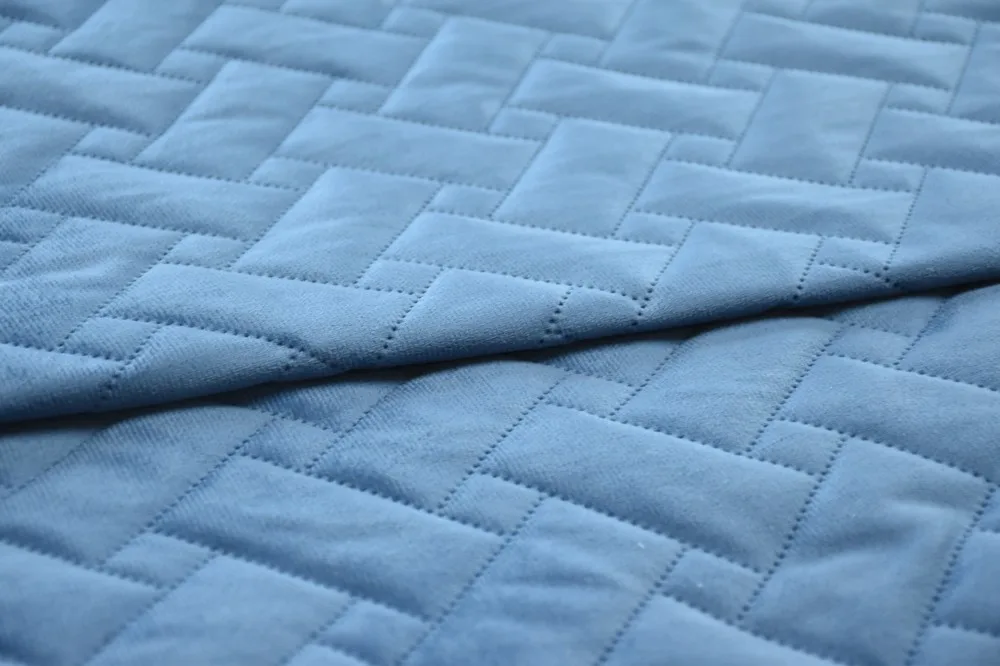
One of the distinct advantages of ultrasonic quilting on mattress panels is the preservation of the material’s integrity.
Ultrasonic quilting is best for hospitals and baby beds. It creates a perfect seal. Because it uses no needles, it doesn’t poke holes in the waterproof layer. Old methods create holes that need tape to fix. Ultrasonic bonding stops all leaks naturally.
Modern ultrasonic quilting machines use rollers that you can swap out. Changing from a diamond pattern to a wave is easy. You don’t have to re-thread needles like with old machines. This makes it simple to run small, custom orders without losing time.
Mattress borders must be rigid to conceal the interior springs and provide a clean, square appearance on the showroom floor. Ultrasonic quilting is a good method for bonding numerous layers of low-cost nonwovens and foam to a high-quality outer cloth. High-frequency bonding produces a tougher, more uniform composite material than thread quilting.
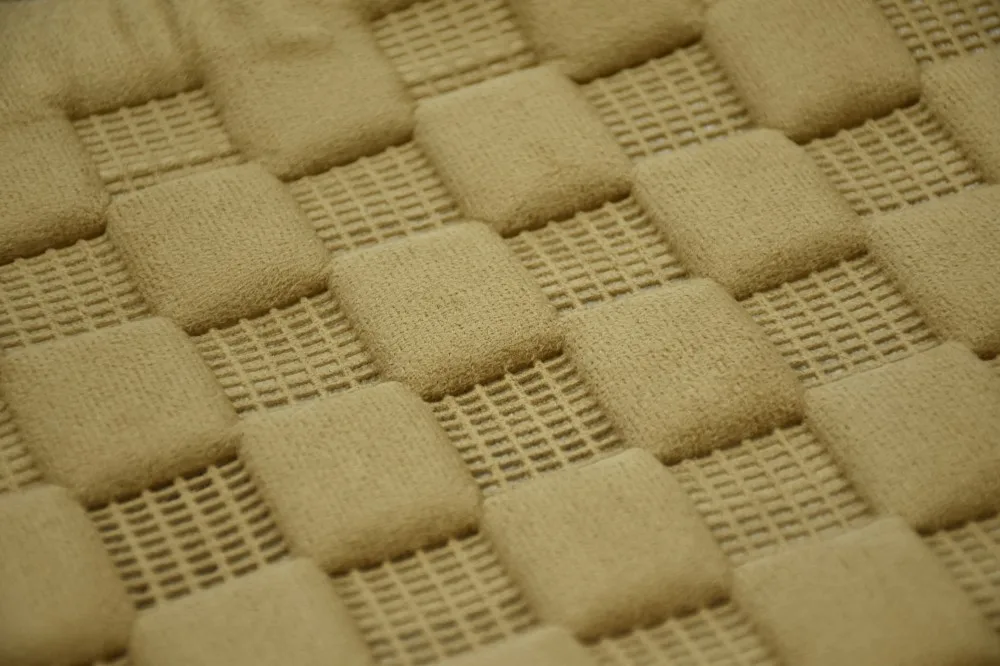
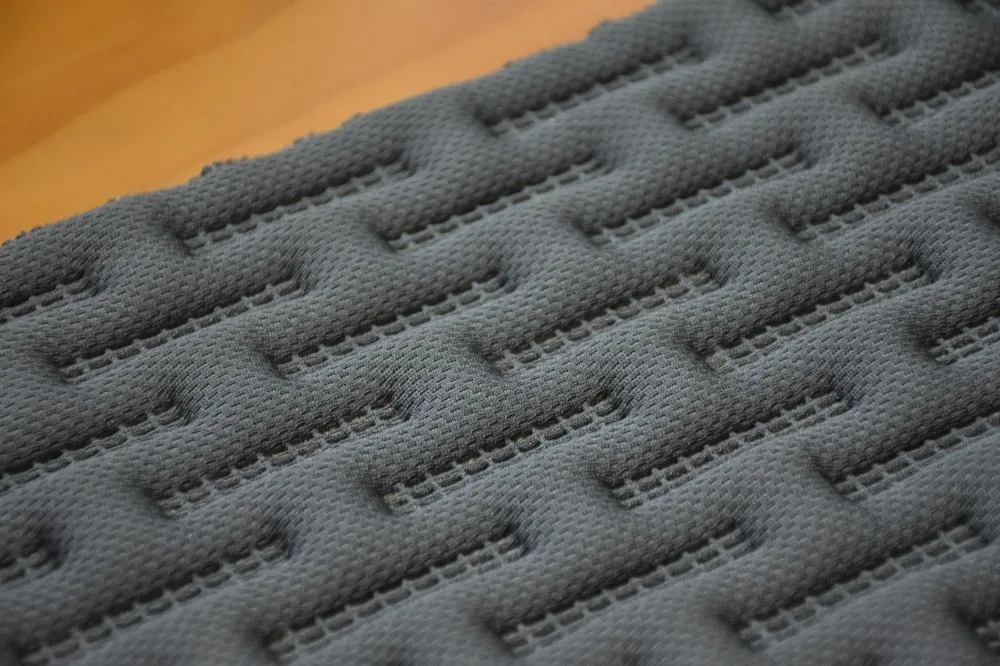
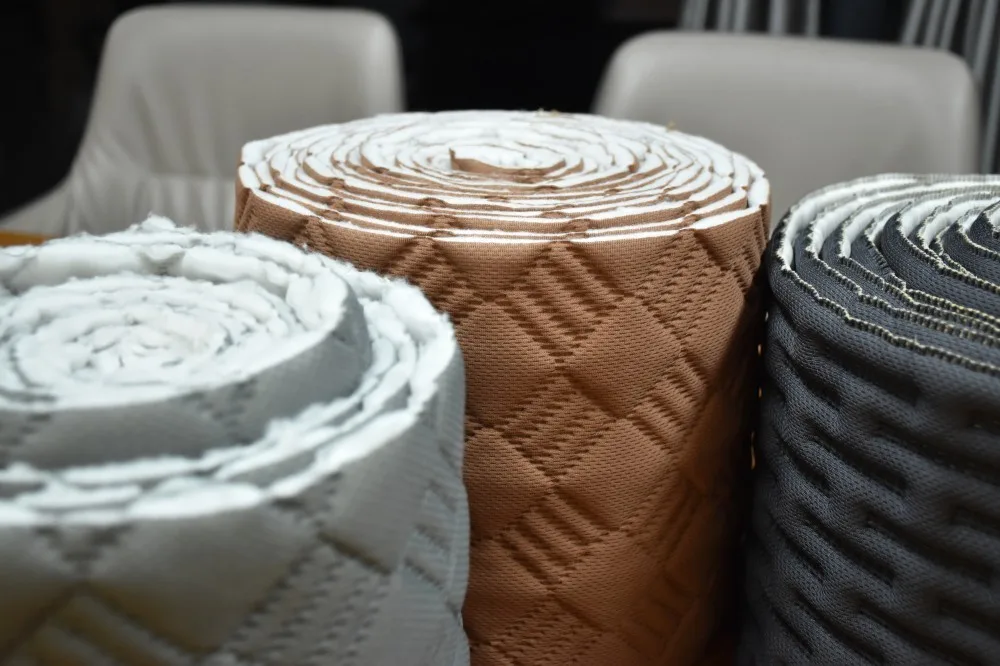
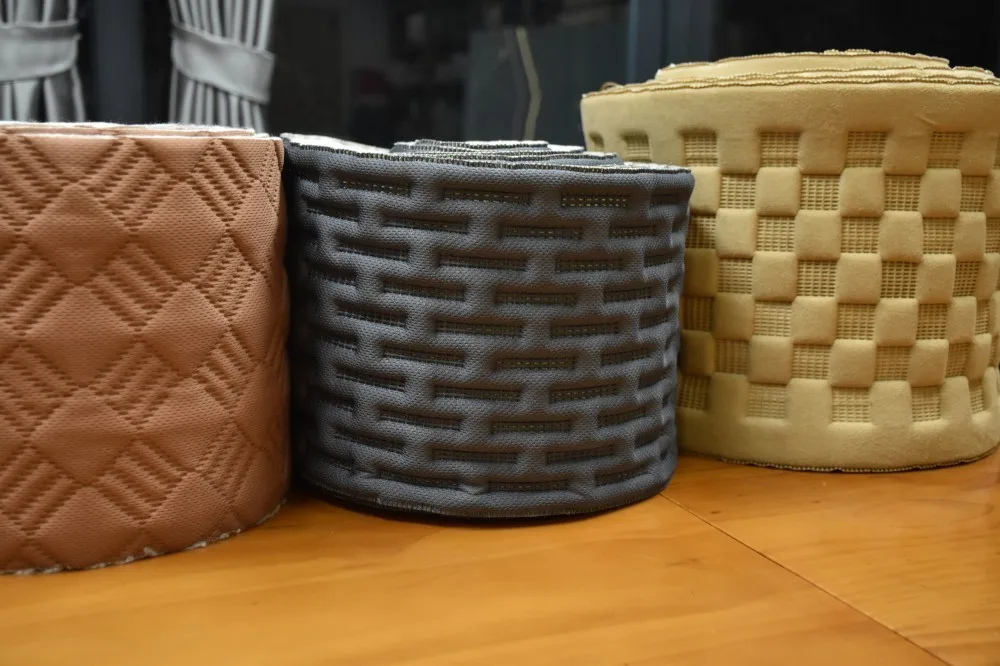
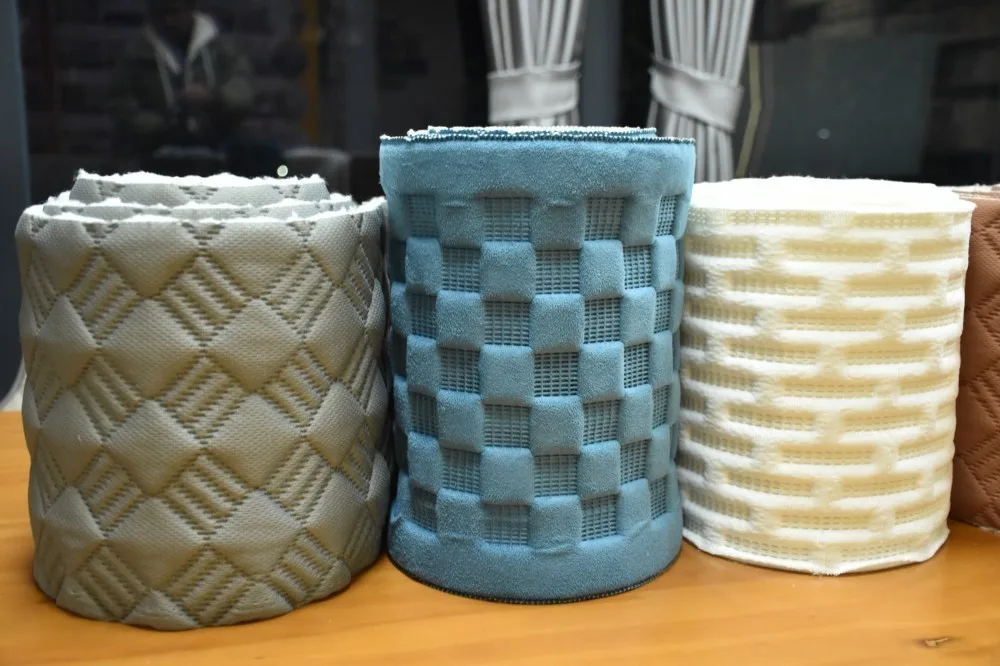
Side panels are essentially long, narrow strips. Ultrasonic machines are ideally suited for continuous roll-to-roll processing.
The Procedure: Manufacturers may load a master roll of border fabric, foam, and backing onto the machine. The machine quilts, hems, and even cuts the borders to length in a single, continuous pass.Efficiency: By reducing the human handling of floppy, lengthy strips of fabric, the sewing floor becomes much more streamlined.

GENMAX UM4 Ultrasonic Quilting Embossing Machine bonds fabrics without needles or thread. It uses ultrasonic technology instead. UM4 features a simple touch screen for easy operation. It handles materials up to 1000 GSM thickness. Production speed is 3 to 5 times faster than traditional quilting methods. The system runs at 300-1200 meters per hour. It works with synthetic fabrics, non-woven materials, polyester, cotton, and spray-bonded textiles. You can create crystal-clear patterns with custom designs.
UM4 Ultrasonic Quilting Machine produces firmly bonded, tear-resistant products. Finished items are ready for immediate use. It’s perfect for home textiles, mattresses, bedding, apparel, electric blankets, and automotive interiors. Each purchase includes complete installation and training. GENMAX experienced engineers provide full support. UM4 operates reliably worldwide.
The most compelling argument for adopting ultrasonic quilting is pure, raw speed. When compared to mechanical needle quilting, the metrics are staggering.
Consider a factory producing Queen size mattress borders (approx. 6 meters perimeter).
The ultrasonic line produces 5x the output with a single operator, drastically lowering the labor cost per unit.